How to Choose All In One Exteriors for Reliable Roof Solutions
How to Choose All In One Exteriors for Reliable Roof Solutions
Blog Article
Comprehensive Exterior cladding and Roof Services for Your Home
Extensive exterior services are crucial in boosting a home's overall value and visual attractiveness. By offering a variety of materials, homeowners can pick choices that align with both their style and budget. Professional setup and ongoing upkeep are critical for longevity. Nevertheless, many miss the crucial factors that influence decisions and costs. Grasping these factors can enable smart decisions about upgrades and maintenance work. What alternatives are available to enhance both function and aesthetic?
What Exterior Varieties Complement Your Home?
When assessing cladding choices for a home, which materials best improve both aesthetics and longevity? Homeowners often investigate a variety of products, each providing distinct advantages. Vinyl siding remains a popular choice due to its affordability, low maintenance, and variety of colors. Alternatively, fiber cement siding provides exceptional durability, capable to withstand harsh weather while mimicking the appearance of wood or stucco. For those seeking a more traditional look, wood siding offers an elegant option but requires regular upkeep to avoid decay. Metal siding, including aluminum or steel, provides a contemporary aesthetic combined with resilience against the elements. Additionally, brick and stone veneer can boost a home's curb appeal while offering significant insulation. Ultimately, the choice of siding should reflect the homeowner's aesthetic choices, budget, and ongoing durability needs, ensuring a balance between visual appeal and function.
Why Top-Tier Roofing Is Essential for Your Home
Superior roofing fulfills an important duty in protecting a home against the elements and increasing its overall value. A robust roof shields against water infiltration, which can lead to mold growth, structural damage, and costly repairs. Additionally, high-quality materials optimize thermal efficiency, decreasing heating and cooling costs while maintaining a comfortable indoor environment.
Furthermore, a properly maintained roof enhances the aesthetic quality of a property, making it more appealing to prospective purchasers. Homeowners who invest in quality roofing often find that it boosts their home's market value, offering a strong return on investment.
Moreover, a dependable roof can resist severe weather conditions, guaranteeing longevity and peace of mind. Routine upkeep and inspections are essential to prolonging its lifespan and detecting problems beforehand. Ultimately, choosing quality roofing is a critical component of proper property ownership, offering safeguard and improving the structural quality of the property.
What Expert Installation Optimizes Functionality and Look
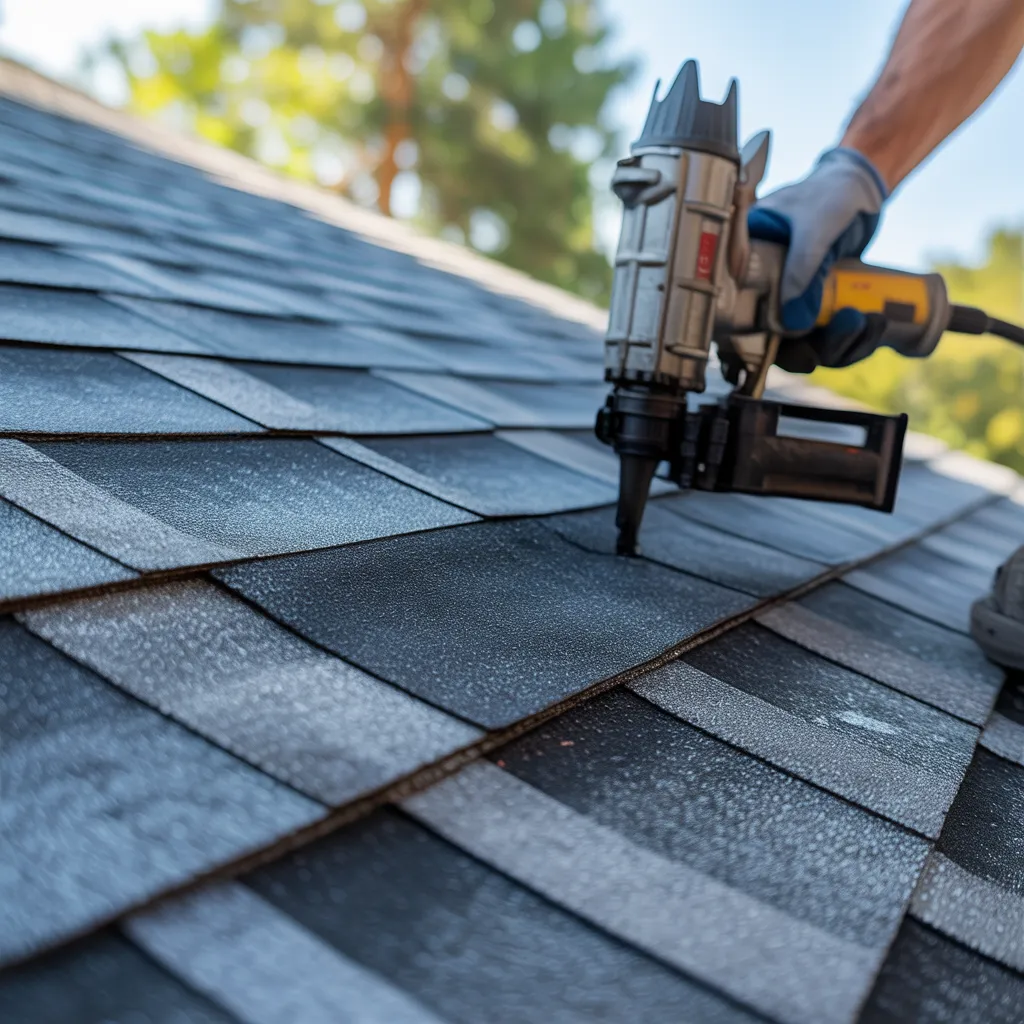
Expert installation impacts both the aesthetic and functionality of roofing systems. When a roof is positioned by professionals, it ensures that all materials are properly aligned and fastened, reducing the risk of water damage and structural issues. Accurate installation techniques enhance the roof's longevity, allowing it to withstand harsh weather conditions and prolong its lifespan.
Moreover, the appearance of a property are considerably shaped by how properly the roof system is constructed. Crooked shingles or displaced panels can diminish a dwelling's aesthetic charm, while a professionally installed roofing enhances the overall architectural style. Additionally, knowledgeable professionals are skilled at selecting the appropriate materials and coatings that enhance both utility and style.
Picking Siding and Roofing for Superior Environmental Sustainability
Determining the most appropriate siding and roofing materials is fundamental for enhancing energy efficiency in a home. Insulated siding, for instance, can substantially reduce heat loss during winter months, while reflective roofing materials can help keep homes cooler in summer. Materials such as fiber cement and vinyl offer fine durability and insulation properties, making them ideal choices for energy-conscious homeowners.
Additionally, the color of roofing serves a critical element; pale tones deflect sunlight, causing reduced cooling costs. The application of energy-efficient windows and proper sealing around the siding and roofing can further boost a home's thermal performance.
Selecting products with high R-values ensures better insulation, while options like metallic roof systems can offer longevity and reflectivity. In the end, a careful selection of exterior cladding and roof materials not only contributes to energy savings but also enhances overall comfort in your home. Putting money in energy-efficient solutions results in lasting advantages for both the natural world and property owners.
How to Determine When Siding or Roofing Needs Repair?
Identifying the requirement for roof or siding maintenance is essential for maintaining a home's integrity. Homeowners should look for obvious signs of damage, such as cracks or warping, as well as signs of water infiltration, which can lead to more substantial issues. Additionally, the age and typical deterioration of materials can signal when repair work is needed to prevent costly replacements.
Observable Harm Marks
Visible harm on cladding or roofing can severely jeopardize the integrity of a home. Property owners should consistently check their outside surfaces for signs of damage. Fissures, bending, or flaking paint on siding may signal decay, while absent or broken roof tiles can expose roofs to further elements. Additionally, discoloration or fungal presence can indicate underlying issues. Unsecured or sagging components are also red flags, implying that fixes are necessary. In severe situations, homeowners may observe gaps or voids that could permit insects access. Identifying these visible damage indicators quickly can avoid more extensive and costly repairs later, making sure the home stays safe against harsh weather conditions and preserving its visual attractiveness.
Water Leakage Indicators
Understanding the importance of water leakage signs is crucial for maintaining the integrity of siding and roofing. Homeowners should be alert for several indications that may signal potential issues. Stains on interior walls or ceilings often indicate hidden leaks, while peeling paint or wallpaper may suggest moisture intrusion. Additionally, the presence of mold or mildew around windows and doors can point to compromised siding. On the exterior, warped or buckling materials may signal water damage. Puddles near the foundation or damp spots in the attic can also serve as critical indicators. Regular inspections for these signs can help homeowners address problems promptly, preventing more extensive damage and costly repairs. Awareness of these indicators promotes proactive maintenance.
Maturation and Breaking down
Homeowners must recognize the signs of aging and deterioration in siding and roofing to maintain their property’s longevity. Typical symptoms such as curling, cracking, or fading of shingles and panels show damage. It is important to inspect any loose or missing materials as these can expose the underlying structure vulnerable to moisture and pests. The build-up of mold or mildew may indicate water retention, which indicates possible damage. Additionally, checking flashing around chimneys and vents for rust or gaps is crucial. Consistent examinations, notably post severe weather, assist in early detection of problems. Addressing these concerns promptly can help prevent costly repairs and prolong the lifespan of siding and roofing systems.
Planning Your Budget for Siding and Roofing Upgrades: Critical Considerations
What approaches can property owners use to effectively budget for siding and roofing upgrades? First, they should examine the present condition of their property to determine the extent of necessary repairs or replacements. Gathering quotations from numerous service providers provides a more transparent picture of costs, permitting for informed evaluations. Homeowners should also account for materials, as options extend from affordable vinyl to higher-end cedar or metal siding.
Moreover, it is crucial to incorporate labor costs, which can vary widely based on regional rates and project scope. Putting aside a contingency fund for unexpected outlays is prudent, as latent issues often appear during restoration work.
To summarize, investigating financing options or seasonal rebates can help mitigate the financial load. By assessing these vital factors, homeowners can create a realistic budget that ensures their siding and roofing upgrades are both effective and financially manageable.
Frequently Requested Questions
What duration Can You plan for From Siding and Roofing Materials?
Siding options generally endure between 20 to 40 years, based on the type, while roofing options can vary from 15 to 50 years. Elements such as maintenance and weather conditions greatly influence their longevity.
What Guarantee Types Exist for Siding and Roofing Items?
Multiple warranties for siding and roofing products comprise warranties from manufacturers, which typically last 50 to 20 years, and warranties for labor, usually protecting installation for 1 to 10 years, ensuring protection against improper installation and defects.
Is it Possible for Me to Apply Roofing or Siding on My Own?
Yes, individuals can set up roofing or siding by themselves, if they possess visit resource the needed equipment and abilities. However, it's essential to take into account local building codes and potential safety concerns connected to such projects.
In What Fashion Do Weather Conditions Effect Siding and Roofing Choices?
Climate conditions substantially impact siding and roofing decisions. Extreme temperatures, humidity, and precipitation levels determine material durability and insulation properties, guiding homeowners to pick options that guarantee longevity and performance in their specific climate.
What Upkeep Is Required for Siding and Roof systems?
Consistent maintenance for siding and roofing demands assessing deterioration, clearing buildup, sealing cracks, and refreshing as appropriate. Regular evaluations deliver durability and performance, limiting major repairs and maximizing the home's visual appearance.
Report this page